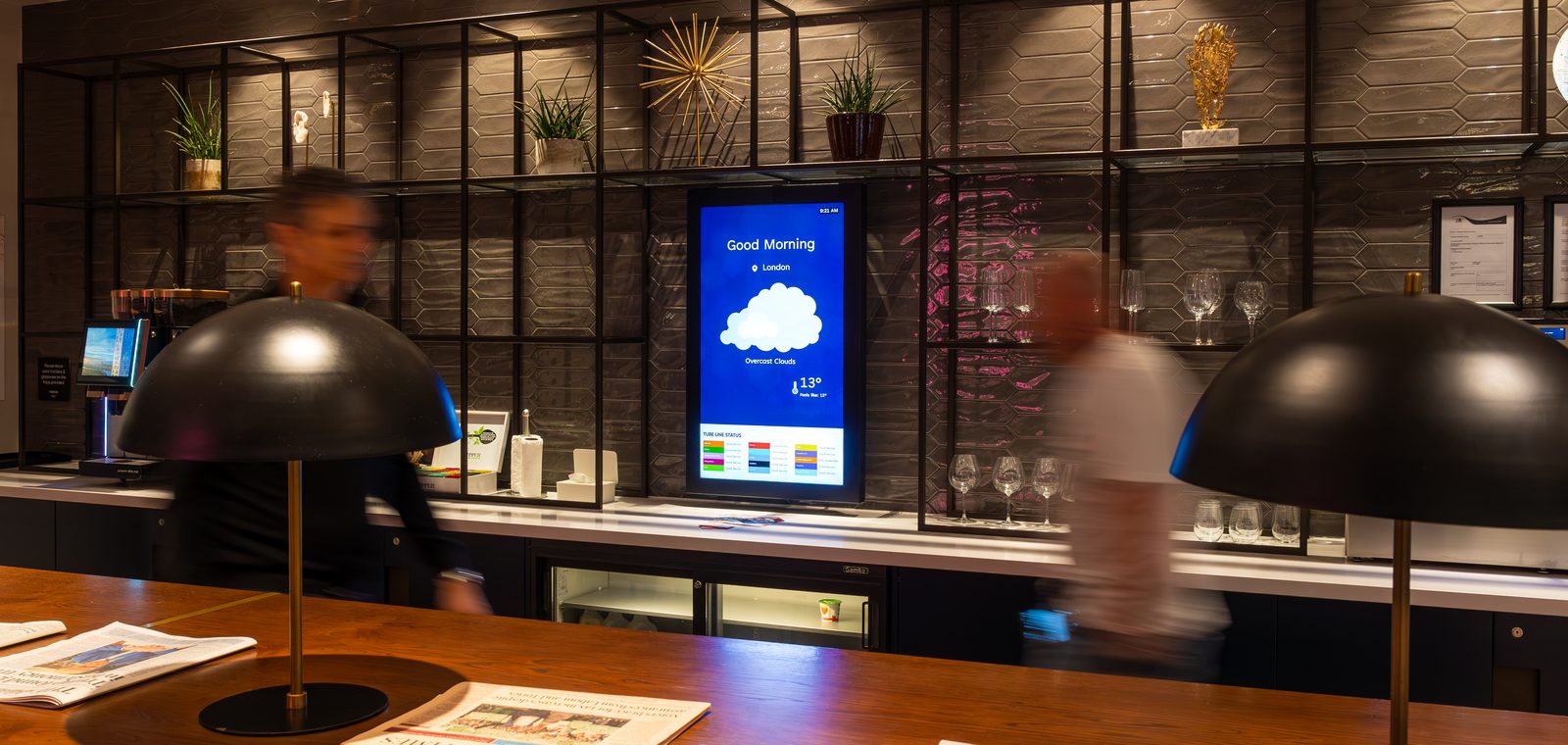
A new generation is choosing to live differently. For many Millennials and Gen Z professionals, the appeal of a city is no longer a large flat in a quiet postcode, but a place inside a community — a building designed around shared amenities, flexible working and sustainable, active living. Vertical living trades square footage for proximity: to work, to culture, to the gym, and to the people next door.
That shift shows up in the census. In the neighbourhoods where Abode buildings stand, 55% of residents are aged 25–44 — against 34% across London as a whole, and 27% across England.
ONS Census 2021 (TS007A), measured at output-area level for the areas containing 235 of the 241 buildings in Abode’s full footprint — not the 219 currently live — and weighted by apartment count. Output areas describe the surrounding neighbourhood rather than the building itself; narrowed to the 113 buildings whose census area genuinely contains the scheme, the figure rises to 57% — so 55% is the conservative reading.
A lifestyle, not just a postcode
What defines these residents is not where they live so much as how they live. Micro-living convenience, smart-home technology and on-site amenities — concierge, co-working spaces, gyms, cinemas, pet-friendly common areas — make the building itself part of daily life rather than simply a place to sleep. The result is an audience that is urban, upscale, time-pressed and highly engaged with the spaces around them.
Community is the context
Because so much of daily life now happens in and around the building, the residential environment carries a level of trust that traditional out-of-home cannot replicate. A message seen in a calm, low-clutter lobby is received very differently from one competing for attention on a busy street or scrolling past on a phone. It arrives in a considered moment, in a place residents already trust.
Residents say as much. In independent research by Norstat, 87% of residents said the screens in their building are informative or useful.
Norstat, independent resident research for Abode Media. Question: how residents regard the digital screens in their residential spaces. Base: all respondents (66) — 38% very informative or useful, 49% somewhat.
The building is no longer just where people live — it’s where they plan, decide and connect.
Reaching people where decisions form
This is where residential media earns its place in the plan. Abode’s screens sit at exactly these moments — as residents leave for the day, collect a delivery, or head out for the evening, in a decision-making mindset at home. Reaching an audience in that frame of mind creates a priming effect that lifts the rest of a brand’s campaign, not just the impressions delivered in the lobby.
As vertical living continues to grow across the UK’s premium developments, the opportunity for brands is clear: to be present, with relevance and trust, in the community where an otherwise hard-to-reach audience actually lives. That is the case for residential as a channel — and if you want the mechanics rather than the argument, the FAQ covers who the network reaches, how campaigns are bought and how they are measured.